
Approximately 6 million Ghanaians — primarily in rural and peri-urban areas — still lack access to reliable electricity. For these communities, the national grid is either absent, unreliable, or unaffordably expensive. Solar mini-grids — small-scale, locally-operated solar power systems serving clusters of 100–500 households and businesses — are proving to be the fastest, most cost-effective, and most sustainable solution to this challenge. And for investors who understand the model, they are also generating exceptional returns.
The Mini-Grid Business Model
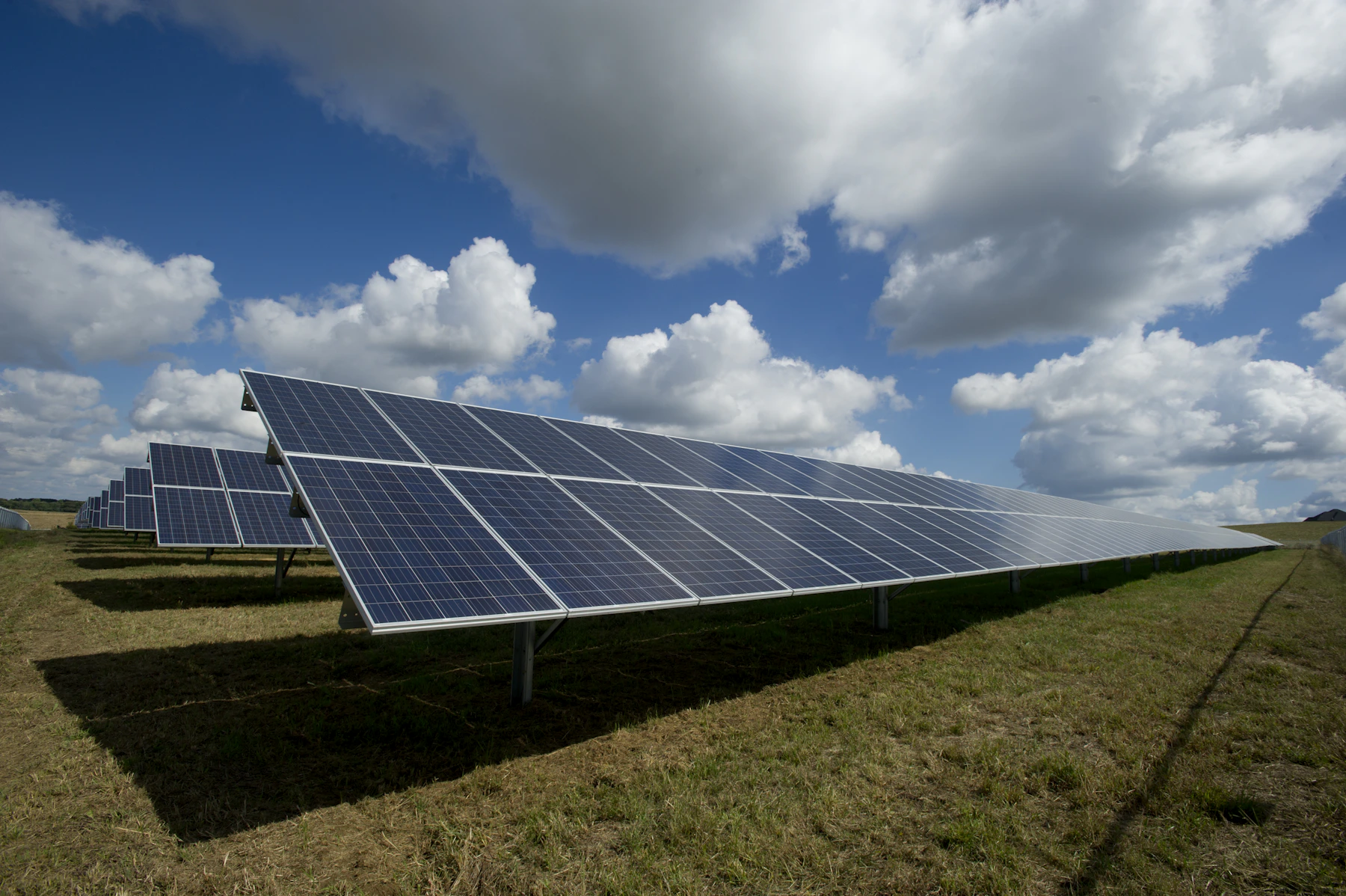
A solar mini-grid typically consists of a solar generation array (20–200kW), a battery storage system, a distribution network serving 100–500 connections, and a metering and billing platform. Revenue comes from electricity sales at tariffs that are typically 20–40% below what communities previously paid for diesel generators or kerosene lanterns — making the service genuinely affordable — while still generating returns of 15–20% on equity. The key to the model's economics is the combination of low operating costs (solar generation has no fuel cost), high utilisation rates (electricity is a non-discretionary essential service), and growing demand as electrification unlocks productive uses of energy.
JCS Investments' Mini-Grid Portfolio
Our mini-grid portfolio currently comprises 12 operating systems across the Northern, Upper East, and Volta Regions of Ghana, serving over 8,000 households and more than 400 small businesses. We develop, own, and operate these systems ourselves — unlike some investors who take minority stakes in third-party developers — which gives us full control over quality, customer service, and financial performance.
The productive use impact of our mini-grids has exceeded our expectations. In communities where we have operated for more than 18 months, we are seeing the emergence of small businesses — grain mills, welding shops, cold storage facilities — that simply did not exist before reliable electricity was available. This economic activity is increasing household incomes and willingness-to-pay for electricity, creating a virtuous cycle that improves both financial performance and social impact simultaneously.